
Ailments related to aging, stress and lifestyle changes
Low energy, mood changes, and trouble sleeping
Reduced sex drive and hormonal imbalances
Weight gain, decreased muscle mass and mobility issues
Hormone Care Medicine

What is Testosterone Replacement Therapy?

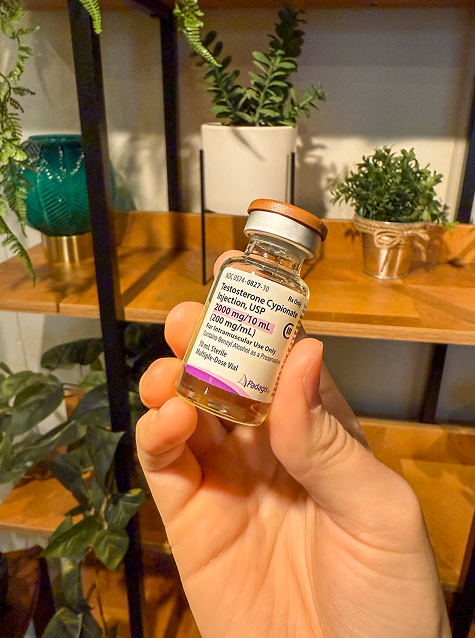
Testosterone Replacement Therapy (TRT) is prescription treatment for men who have both symptoms of testosterone deficiency and consistently low testosterone levels confirmed by appropriate testing.

The goal is to restore testosterone to an appropriate physiologic range — not to create unusually high levels or enhance athletic performance.

What are the signs and symptoms of low testosterone?

Possible symptoms include:

  • Reduced sexual desire or fewer spontaneous erections
  • Erectile difficulties
  • Fatigue or reduced motivation
  • Depressed mood
  • Decreased muscle mass or strength, or increased body fat
  • Difficulty concentrating
  • Reduced body hair or low bone density
  • Hot flashes

These symptoms aren’t specific to low testosterone. Sleep apnea, thyroid disease, depression, medication effects, chronic illness, stress, obesity, and poor sleep can all cause similar concerns. A symptom checklist alone can’t diagnose low testosterone.

How is low testosterone diagnosed?

Diagnosis requires both low testosterone confirmed on two separate morning blood tests and symptoms consistent with deficiency — a low number alone isn’t enough. Depending on your results, your clinician may also check:

  • Free testosterone and sex hormone-binding globulin
  • Luteinizing hormone (LH) and follicle-stimulating hormone (FSH)
  • Prolactin and thyroid function
  • Blood counts and prostate health

The goal isn’t just to find a low number — it’s to understand why it’s low and whether treatment is appropriate.

Who is a candidate for TRT?

TRT may be considered for an adult man who has symptoms consistent with testosterone deficiency and repeatedly low laboratory results after reversible causes have been evaluated. It may not be appropriate if you:

  • Are trying to conceive
  • Have certain prostate or breast cancers
  • Have an elevated hematocrit or untreated severe sleep apnea
  • Have uncontrolled heart failure or certain recent cardiovascular events
  • Have another condition that increases treatment risk

Eligibility is determined individually after a complete medical assessment.

What can I expect during TRT treatment?

Before treatment, we will review your symptoms, health history, fertility goals, medications, laboratory results, and treatment options.

Once treatment begins, follow-up testing monitors your testosterone level, blood count, symptoms, and side effects, with dose adjustments to keep your level in an appropriate range.TRT requires ongoing medical supervision. It should not be viewed as a one-time prescription without follow-up.

How long does it take to see results from TRT?

The timeline varies by symptom and by patient. Some men notice changes in sexual interest, energy, or well-being within several weeks. Changes in body composition, strength, bone density, or anemia generally take longer and may develop over several months.

Not every symptom will improve, particularly when another health condition is contributing. We’ll assess your response over time rather than judging treatment by a single early result.

What benefits can I expect from testosterone therapy?

In men with confirmed testosterone deficiency, treatment may improve sexual desire, erectile function in some cases, energy, mood, anemia, muscle mass, strength, or bone density.

Benefits vary, and TRT isn’t guaranteed to improve nonspecific symptoms like fatigue or concentration. It’s also not a substitute for adequate sleep, physical activity, balanced nutrition, treatment of sleep apnea, or management of other medical conditions. Your treatment goals should be specific, realistic, and reviewed regularly.

What are the potential side effects of TRT?

Possible side effects include acne, oily skin, fluid retention, breast tenderness, reduced sperm production, testicular shrinkage, worsening sleep apnea, increased red blood cell count, and changes in prostate-related measurements.

An elevated red blood cell count is the one we monitor most closely — it can raise health risks and may require a dose adjustment or treatment pause. Cardiovascular risk should also be discussed individually if you have existing heart or vascular disease. Regular follow-up bloodwork is required throughout treatment.

Does TRT affect fertility?

Yes. External testosterone can significantly reduce or stop sperm production, sometimes resulting in infertility. Sperm recovery after stopping treatment can take months and is not guaranteed in every case.

Tell your clinician before starting treatment if you are currently trying to conceive or may want biological children in the future. Other approaches may be more appropriate for men who need to preserve fertility.

Is TRT safe?

TRT can be used safely in appropriately selected men when the diagnosis is confirmed and treatment is carefully monitored. It is not risk-free and is not appropriate for everyone.

Safety depends on accurate diagnosis, proper dosing, attention to fertility goals, screening for contraindications, and regular follow-up. Professional guidelines recommend diagnosing testosterone deficiency only when relevant symptoms are accompanied by consistently low testosterone levels.

Treatment from licensed healthcare professionals.
 Regular follow-up appointments about every three months.
Visits covered by insurance.
Medical knowledge to treat the root cause, not just the symptoms.

Book your appointment!
Call to book your appointment!
Angle right