How does ketamine therapy work?

Ketamine works differently than most traditional antidepressants. It affects glutamate, one of the brain’s key chemical messengers, and is believed to help strengthen communication between brain cells and support new, healthier neural connections.

Some patients notice improvement quickly; others respond more gradually. Researchers are still studying the exact mechanism behind ketamine’s antidepressant effects.

Is ketamine therapy safe?

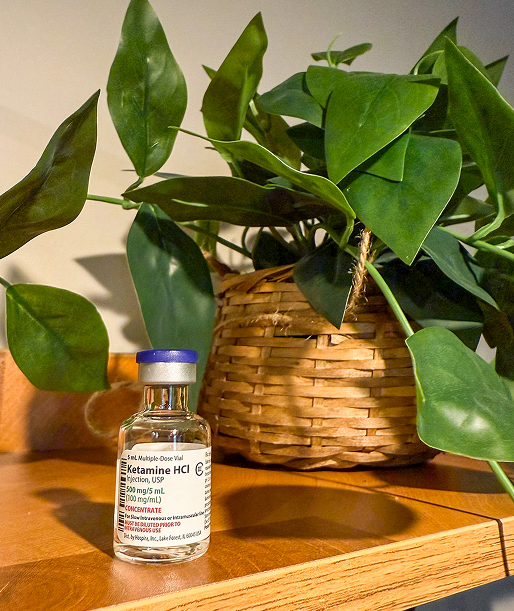
Ketamine has been used safely in medical settings for decades. At Hexis Health, it’s administered by an experienced medical team at carefully selected doses, with close monitoring throughout treatment.

Temporary effects can include dizziness, nausea, increased blood pressure, sleepiness, or a sense of detachment from your body or surroundings. These typically resolve shortly after the infusion ends.

Ketamine isn’t appropriate for everyone. Before treatment, we review your medical history, medications, mental health history, blood pressure, and substance-use history. IV ketamine is FDA-approved as an anesthetic but is used off-label for depression and other psychiatric conditions.

How many ketamine treatments will I need?

Treatment plans are individualized, but a common starting approach for depression is a series of infusions over 3–6 weeks, followed by an evaluation of your response.

Some patients later benefit from occasional maintenance or booster treatments; others don’t need ongoing infusions. We’ll monitor your progress and only recommend continued treatment when the expected benefits continue to outweigh the risks.

What conditions can ketamine therapy treat?

Ketamine therapy is most strongly supported for treatment-resistant depression. It’s also used off-label in select patients for bipolar depression, PTSD, severe anxiety, OCD, certain chronic pain conditions, and acute suicidal thoughts.

Evidence quality varies by condition, and ketamine isn’t guaranteed to work for everyone. Your clinician will review your diagnosis, prior treatments, and goals to determine if it’s appropriate for you.

What happens during a ketamine infusion?

Before: We review how you’re feeling, check your vital signs, and answer any questions. A small IV is placed.

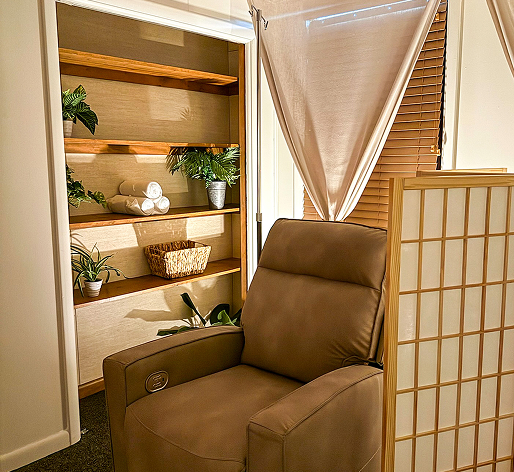
During: Ketamine is administered gradually while you relax in a comfortable treatment space. You may feel light, calm, dreamy, or temporarily detached from your surroundings, with possible changes in your sense of time, sound, or color. Our clinical team monitors you throughout the appointment.

After: You’ll remain in the clinic until you’re medically ready to leave, usually 45–60 minutes. You’ll need a responsible adult to drive you home, and should avoid driving, operating machinery, making major decisions, or drinking alcohol for the rest of the day.

How much does ketamine therapy cost?

Cost depends on the type and length of treatment you receive. Our team will walk through all anticipated charges and payment options before your first session.

IV ketamine for psychiatric conditions is often not covered by insurance, since it’s considered an off-label treatment.

How is IV ketamine different from Spravato®?

IV ketamine contains both mirror-image forms of the ketamine molecule and is delivered directly into the bloodstream through an IV. Its use for depression is off-label, and treatment schedules can be individualized by the prescribing clinician. For the right patient, IV ketamine allows us to treat conditions other than just treatment resistant depression.

Spravato® contains esketamine, one specific form of the ketamine molecule. It is an FDA-approved nasal spray for certain adults with depression and must be administered in a certified healthcare setting under a safety-monitoring program. Our clinic is fully certified under the REMS program. Spravato® is covered under most major health insurance carriers, including Medicaid and Medicare.

Both treatments can cause temporary sleepiness, dissociation, dizziness, and increased blood pressure, which our team monitors during your treatment session. The best option depends on your diagnosis, treatment history, medical needs, insurance benefits, and preferences.


Get Started
Call to book your appointment!
Angle right